 Microbe of the Month: Trichoderma
Known for their knack in fighting off soil-borne pathogens and promoting plant growth, Trichoderma fungi are unsung heroes of the soil. This month, we’ll guide you through an easy method to expand your own Trichoderma culture—right from the farm or garden.
 DIY Trichoderma Expansion
Expanding a fungal culture doesn’t require a lab—just care, cleanliness, and a few simple steps. Here’s a low-tech method you can try:
You’ll need:
-
A grain of your choice – experiment (e.g. oats, rye, wheat berries)
-
A pot for boiling
-
A mushroom bag or clean glass jar with lid
-
Clean workspace
Steps:
-
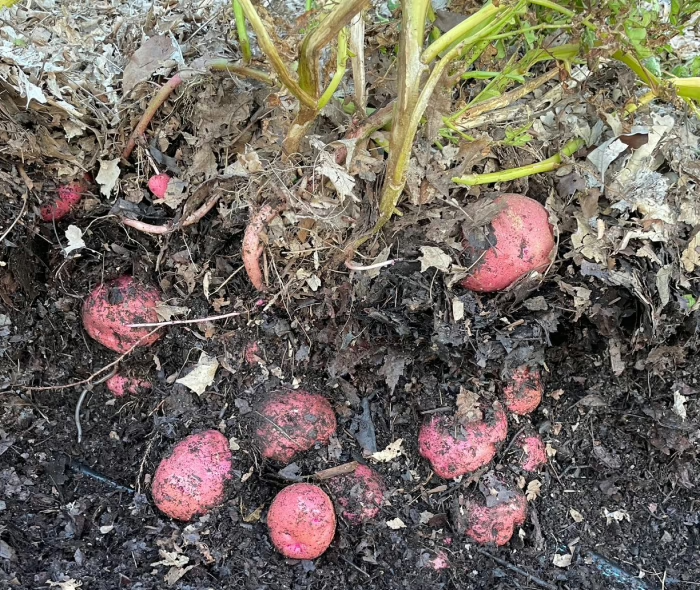
Soak the grains overnight in clean water (or potato water for extra nutrients).
-
Boil for 10–15 minutes to soften them.
-
Drain and let cool completely—warm grains can kill fungal spores!
-
Transfer to a clean container or mushroom bag.
-
Inoculate with a small amount of Trichoderma culture.
-
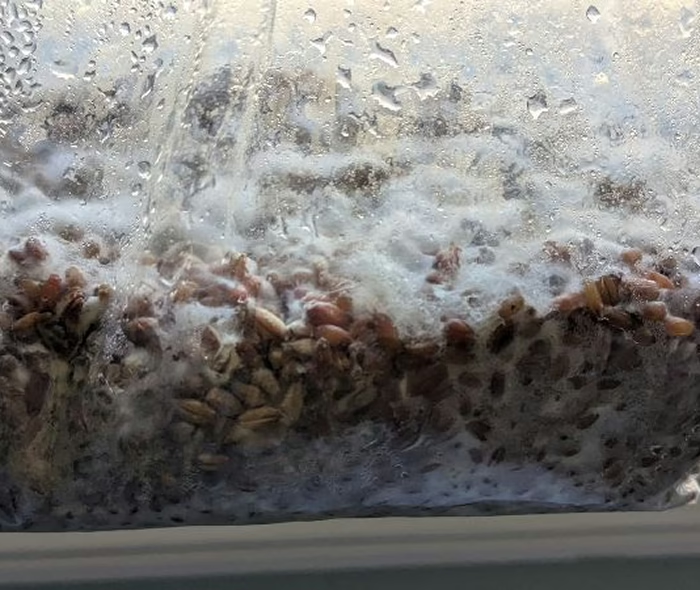
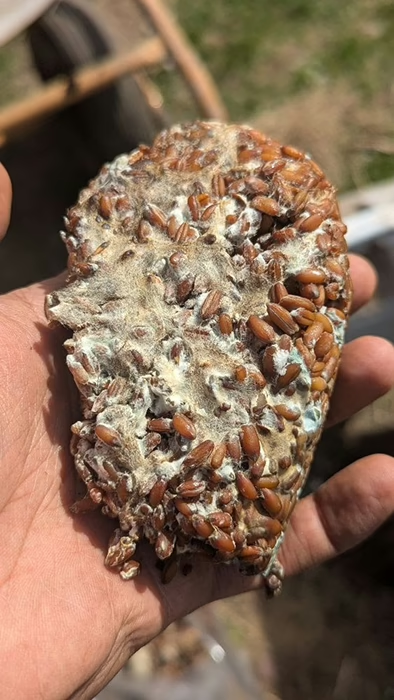
Incubate at room temperature, undisturbed, for 5–7 days. Look for white to green fuzzy growth.
Pro Tips for a Thriving Trichoderma Culture
 Use potato water – Soak and boil your grains in boiled potato water to add extra nutrients like starches and sugars that support fungal growth.
Add gypsum – A small pinch of gypsum (calcium sulfate) keeps grains from clumping, improving airflow and colonization.
Mind your moisture – Grains should be moist, not soggy. Squeeze a handful: if water drips out, it’s too wet.
Be clean, not sterile – Trichoderma is aggressive and fast-growing. Clean tools are enough—no autoclave needed.
Watch the temperature – Incubate at 65–75°F (18–24°C) for best results.
Smell check – Healthy Trichoderma smells earthy or mushroomy. Funky smells = contamination.
Trichoderma Fast Facts
Nature’s Disease Fighter + Plant Ally
 Fungal Foe – Trichoderma controls many plant pathogens, including:
-
Fusarium
-
Pythium
-
Rhizoctonia
-
Sclerotinia
-
Phytophthora
-
Botrytis
-
Verticillium
-
Armillaria
-
Alternaria
-
Helminthosporium
-
Colletotrichum
Endophytic (microbes living inside other organisms) Potential – Certain species colonize plant roots and tissues, forming pseudomycorrhizae (behave like mycorrhizae fungi) that enhance nutrient uptake, stress tolerance, and disease resistance.
Root Booster – Produces enzymes and hormones that stimulate root growth and soil structure.
Biocontrol Boss – Releases antibiotics, chitinases, and enzymes that disrupt fungal competitors and pests.
Soil Hero – Enhances microbial diversity, soil aggregation, and organic matter breakdown, especially alongside compost and cover crops.
Best Buds – Ability to colonize the rhizosphere of Brassicaceae plants, promoting growth and development as well as stimulating systemic defenses.
Application Notes
Once your Trichoderma culture is fully colonized, it can be:
-
Mixed into compost teas/extracts or diluted waterings for soil drench applications.
-
Incorporated into compost piles or soil mixes.
-
Dusted directly onto root balls during transplanting.
 Use with care: While Trichoderma has shown benefits across many major crops, it’s always good practice to look into how it interacts with the specific plants you’re growing. Different species and strains can behave differently—so research before broad application, especially in sensitive or specialty cropping systems. Additionally you can try this application in a small area before incorporating into your management plan.
Compatible Allies
Trichoderma pairs well with other DIY biofertility tools many of you may already be using, such as:
-
Organic manures
-
Rhizobium inoculants
-
Azospirillum cultures
-
Phosphobacteria solutions
-
Bacillus subtilis biofertilizers
Using these together can amplify soil health, improve plant resilience, and expand the toolbox for regenerative and low-input farming systems.
Stay Connected
Have tips, photos, or feedback? Reach out! Your insight may be featured in an upcoming issue.