Be a Better Grower Newsletter
By Laura Davis
NOFA/Mass Soil Health Technical Advisor, Certification Coordinator & TOPP Mentor Coordinator
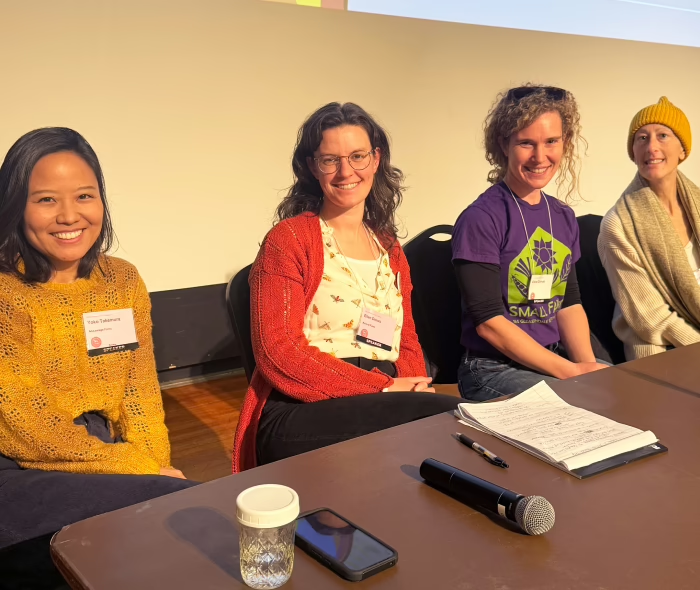
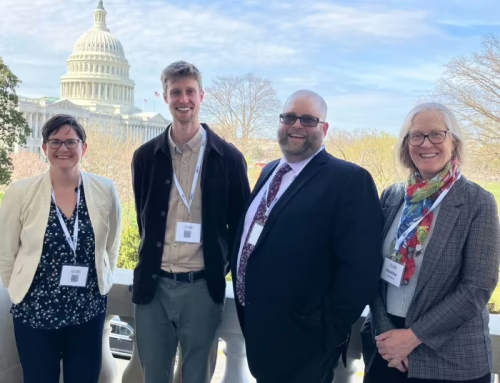
No-Till Farm Panel at the Winter Conference. From Left to right:
Yoko Takemura, Co-Owner, Assawaga Farm
Ellen Drews, Farm Manager, Astarte Farm
Elena Colman, Farmer-owner, Small Farm
Anna Kelchlin, Farm Owner, Late Bloom Farm
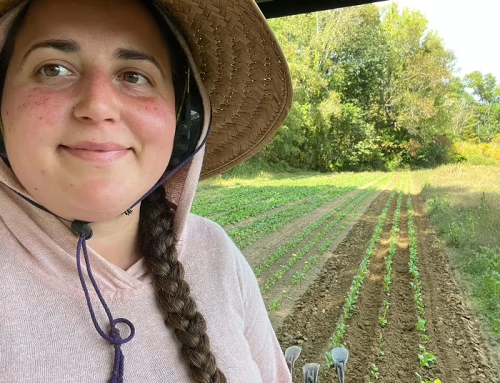
Highlighting Women Farmers Using No-Till Practices
|
||
|
||
|
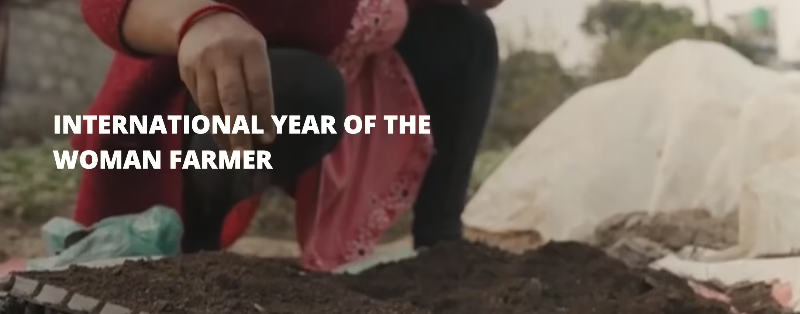
As designated by the United Nations, 2026 is the International Year of the Woman Farmer, and so it is with pleasure that I lift these women farmers up. According to the UN, about ⅓ of the farms in the world are operated by women. I am proud to report that in Massachusetts and in other New England states, more than 40% of farms are operated by women. The Year of the Woman Farmer is meant to empower the women transforming the food system. This group of organic farmers are leading with stewardship of the land, feeding families, and growing nutritious food for their communities.
The first no-till workshop that NOFA/Mass hosted in 2015 featured Bryan O’Hara from Tobacco Road Farm in Lebanon, CT, an early inspiration to no-till panelist Yoko Takemura. He had farmed intensive vegetables for 20 years using tillage and was constantly seeking ways to improve soil fertility. Korean Natural Farming (KNF) was recommending no-till techniques. O’Hara built on those recommendations, developing a way to eliminate the preceding crops and their residues, achieve weed-free seed beds, increase biological activity and diversity, seed appropriately, and allow for better interseeding of crop and cover crops. Now, as I visit small farms around the Northeast, there are very few not utilizing no-till techniques: a revolution has taken hold. No-till vegetable growing has gone mainstream, and I really enjoyed hearing these women speak about their farms and the nuances of their current practices.