Designing a Permaculture Lawn

Discover how to transform your Massachusetts lawn into a sustainable, permaculture paradise with this guide tailored for organic farmers and home gardeners. Learn to map zones, choose hardy plants, boost soil health, and manage water in the Bay State’s unique climate.

By Najee Quashie
Reporting from Massachusetts

For organic farmers and home gardeners in Massachusetts, transforming a traditional lawn into a permaculture system offers a sustainable way to boost productivity, enhance soil health, and work with the region’s unique climate. Permaculture is not just about aesthetics—it is a practical approach to creating a resilient, low-maintenance landscape that aligns with organic principles. Drawing on expert insights from Tenth Acre Farm, Better Homes & Gardens, GroCycle, Rise, and Permaculture Gardens, this guide tailors permaculture lawn design to the Bay State’s frosty winters, short growing seasons, and rocky soils, empowering you to turn your yard into a thriving ecosystem.

What Is a Permaculture Lawn?

A permaculture lawn ditches the water-guzzling grass monoculture for a diverse, functional space that produces food, builds soil and supports local wildlife. It is rooted in sustainability and biodiversity, blending seamlessly with organic farming and gardening goals. In Massachusetts, where winters dip into USDA Growing Zones 5-7, and summers can be humid, a permaculture lawn leverages hardy plants and thoughtful design to thrive year-round without synthetic fertilizers or pesticides.

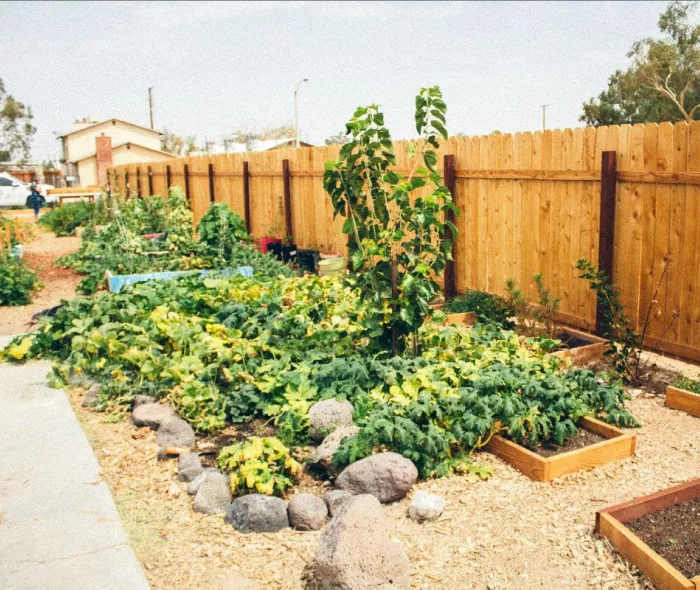
A transformed lawn featuring raised beds with edibles, a fruit tree, and mulched pathways—perfect for organic growers embracing permaculture

Step 1: Map Your Lawn with Permaculture Zones

Permaculture zones organize your lawn based on use and maintenance, a concept perfect for busy Massachusetts growers. Here is how to adapt them to your property:

  • Zone 0: Your home or farmhouse—the center of activity.

  • Zone 1: The area closest to your house, ideal for herbs like thyme, small edibles like spinach, or plants needing regular care (e.g., a kitchen garden patch replacing lawn near your back door, suited to early frosts).

  • Zone 2: A slightly less tended spot, perfect for fruit trees like apples, berry bushes like blueberries, or perennials like ramps that need occasional attention in Massachusetts’ short summers.

  • Zone 3: A low-maintenance zone with hardy plants like hazelnut trees or native grasses (e.g., little bluestem) thriving through snow and drought.

  • Zone 4 and 5: Wilder edges for foraging (e.g., elderberries) or wildlife habitat (e.g., milkweed patches) if your lawn extends that far—excellent for rural Berkshire farms.

Sketch your lawn, noting sunlight (scarce in winter, intense in summer), wet spots from spring rains, and wind patterns off the Atlantic. A south-facing slope near your kitchen could be Zone 1 herbs, while a shady corner in Plymouth might host Zone 3 pears.

Step 2: Swap Grass for Massachusetts-Friendly Plants

Traditional lawns clash with organic ideals—mowing and watering waste time and resources. Instead, replace grass with plants that thrive in Massachusetts’ conditions and serve a purpose:

  • Edible Ground Covers: Creeping thyme or lowbush blueberries suppress weeds and offer harvests, surviving icy winters.

  • Perennial Crops: Asparagus, sea kale, or ramps (wild leeks) return annually, perfect for New England’s short summers.

  • Fruiting Plants: Apple trees, serviceberries, or beach plums (native to coastal areas) provide food and resilience.

  • Native Species: Plant purple coneflower or switchgrass to attract pollinators and reduce care, especially in rocky western Massachusetts soils.

Start by sheet-mulching a small lawn patch with cardboard and compost, then plant a mix suited to your site—clover and strawberries—for a sunny Amherst yard.

Step 3: Boost Soil the Organic Way

Healthy soil is the backbone of organic growing, and permaculture lawns prioritize it. In Massachusetts, where soils range from sandy Cape Cod dunes to clay-heavy Pioneer Valley plots, these techniques shine:

  • Compost: Turn fall leaves and kitchen scraps into gold. Spread it over planting zones to enrich soil naturally.

  • Mulch: Use straw, wood chips, or seaweed (if near the coast) to lock in moisture and protect against winter freeze-thaw cycles.

  • No-Till: Skip the tiller to preserve soil structure—layer organic matter to smother grass and feed microbes.

Test your soil pH (often acidic here) and adjust with wood ash or lime if needed, keeping it organic and local.

Step 4: Manage Water and Welcome Wildlife

Massachusetts’ wet springs and dry summers demand smart water use, while organic systems thrive with biodiversity. Here is how to integrate both:

  • Rainwater Capture: Set up barrels under downspouts or dig swales to hold snowmelt, irrigating crops like elderberries in dry July spells.

  • Wildlife Support: Add a stone pile for beneficial insects or plant milkweed for monarchs—key allies for pest control and pollination.

  • Diverse Layers: Mix low herbs, mid-height shrubs, and tall trees (e.g., dwarf cherries) to buffer wind and shade soil.

A permaculture lawn in Concord might feature a rain garden with native sedges, while a Berkshires farm could pair oaks with understory currants.

Step 5: Start Small, Adapt to Seasons

In Massachusetts, observation is key—weather shifts fast, and permaculture rewards patience. Begin with a manageable plot, like a 10×10-foot lawn corner, and track how plants handle late frosts or August heat. A Cape Cod gardener might test salt-tolerant bayberries, while a Worcester farmer trials pawpaws in a sheltered spot. Expand as you learn what works.

Why It Works for Massachusetts

A permaculture lawn fits organic farming and gardening like a glove:

  • Less Work: Cut mowing and watering are critical during busy harvest seasons.

  • Food Security: Grow apples or herbs at home, reducing reliance on external inputs.

  • Climate Resilience: Native plants and perennials weather storms and cold snaps.

  • Soil Health: Organic methods rebuild depleted New England dirt.

This is a modern twist on working the land sustainably for a state with a rich farming heritage.

Who is Doing This Work?

In Worcester County, Reimagined Roots is leading the charge in permaculture-inspired landscaping, offering a model for Massachusetts growers. This local company, led by Nate Fournier, works with homeowners and businesses to convert traditional lawns into functional, productive ecosystems. Their focus? Food, medicine, and native plants enhance biodiversity and create outdoor spaces for relaxation and connection with nature.

Based in West Boylston, Reimagined Roots builds custom features like cedar compost bins and greenhouses, extending the growing season—a game-changer for Massachusetts’ cold climate. Their three-bin compost systems, crafted from untreated cedar, make recycling kitchen and garden scraps easy and effective, aligning with organic soil-building goals. Meanwhile, their greenhouses provide a warm haven for year-round growing, perfect for organic farmers wanting fresh produce in winter or home gardeners dreaming of a tropical retreat. By emphasizing sustainable materials and ecological design, Reimagined Roots shows how permaculture principles can transform lawns into thriving, practical landscapes across the state.

Get Started Today

Ready to transform your Massachusetts lawn? Grab a pencil and map your zones, then dig into a small section with compost and cold-hardy plants. Whether you are an organic farmer in Hadley or a home gardener in Quincy, permaculture offers a practical, earth-friendly way to rethink your yard. Let the seasons guide you—your lawn’s potential is waiting to bloom.

Total Views: 777Daily Views: 1