Policy & Advocacy Newsletter
From Laura Davis, NOFA/Mass Soil Health Technical Advisor, Certification Coordinator & TOPP Mentor Coordinator
Organic Cost Share Reimbursement Program Update
We know many organic farmers are eagerly waiting for the USDA Organic Cost Share Reimbursement Program (OCCSP) to open for 2025 reimbursement. We had expected the program to be released, funding was approved in the July 1st bill, and the program will be administered through local FSA (Farm Service Agency) offices. FSA offices had begun preparing for the application process, but the recent government shutdown caused delays. It is unclear if MDAR will also participate in reimbursements this year as they have in the past.
The National Organic Coalition, of which NOFA is a member, met with FSA personnel on 12/10/25 and sent us this summary of what they learned:
FSA is currently drafting a Notice of Funding Opportunity (NOFO) to the states and a final rule for the 2025 and 2026 organic cost share funding. This is one of many final rules FSA will be putting out early this year to implement provisions of the One Big Beautiful Bill Act (OBBBA). Their current timing is for the cost share NOFO and final rule to come out in the spring. We made strong arguments for why they should speed that up, pointing out that the failure to release the 2025 funding has caused a large net increase in farmers’ certification costs, which has contributed to some farmers’ decisions to surrender their certifications.
• While FSA staff stated that they need to wait for final clearance before any decisions are final, it seems that they are planning to run the 2025 and 2026 cost share funding together. Whether operations will be able to apply once for the 2 years, or will apply separately for each year, is unclear right now.
• Regarding Agricultural Management Assistance (AMA) cost share funding, since AMA funding is limited to specific years and cannot be carried over, the 2025 AMA costshare funding is no longer available, and that funding (nearly $1 million) has reverted to the Treasury. This is very bad news, in my view. They made it sound like the 2026 AMA funding would be made available, but again, this is subject to final clearance.
• About $900,000 in cost share funding is available as a carryover from 2024 National Cost Share Program.
• We again asked the question whether the $8 million annually provided by Congress in the OBBBA was sufficient to fund the program for 2025 and 2026 at the full reimbursement rates (which is 75 percent of certification costs, up to $750 annually per operation per scope). Again, no definitive answer, but they did tentatively say that they believe it will be enough. The cost of the program has been running about $9 or $10 million annually, so the $16 million may be cutting it tight for 2 years. We pointed out that we have lost small-and-medium scale organic farms in the last couple of years (in part because of the delay in OCCSP funding), and therefore the cost of the program may be less than in the past. We also asked that if they conclude there is not enough money to run the program without cutting the reimbursement rate, that they come back to us ahead of time to discuss ways to minimize the harm of that decision. They agreed to do so.
• Here’s the funding that will be available this spring, as I understand it:
• $16 million ($8 million for each of 2025 and 2026, as enacted in the OBBBA)
• plus $1 million for 2026 AMA
• minus 5.7 percent budget sequestration amount
• projected total: $16,031 million
We’ll see if that’s accurate when the funding announcement is made this spring. I believe we should continue to push them to get the money out the door ASAP.
The NOC has also developed an alert that all of us can use to take action and contact our legislators in Congress: We need to make our voices heard, letting them know that interrupting this reimbursement to organic farmers is not acceptable.
MA State PFAS Bills Update
NOFA/Mass has been participating in a coalition of organizations that promotes awareness for two bills regarding PFAS during the last years. The Ag PFAS bill, or An Act Protecting our Soil and Farms from PFAS Contamination, is now known as S2802. H4853 has been reported favorably to the respective Senate and House Ways and Means Committees. We thank Senator Comerford and Representative Arena-Derosa for their leadership in moving these along in the State House. It may be that this bill could pass as a stand alone or be combined with the other PFAS bill, An Act to Protect Massachusetts Public Health from PFAS, now known as H2450, which has also been reported out favorably to Health Care Financing. We hope that the Senate bill S1504 will also be reported out shortly. Those bills have been championed by Senator Cyr and Representative Hogan.
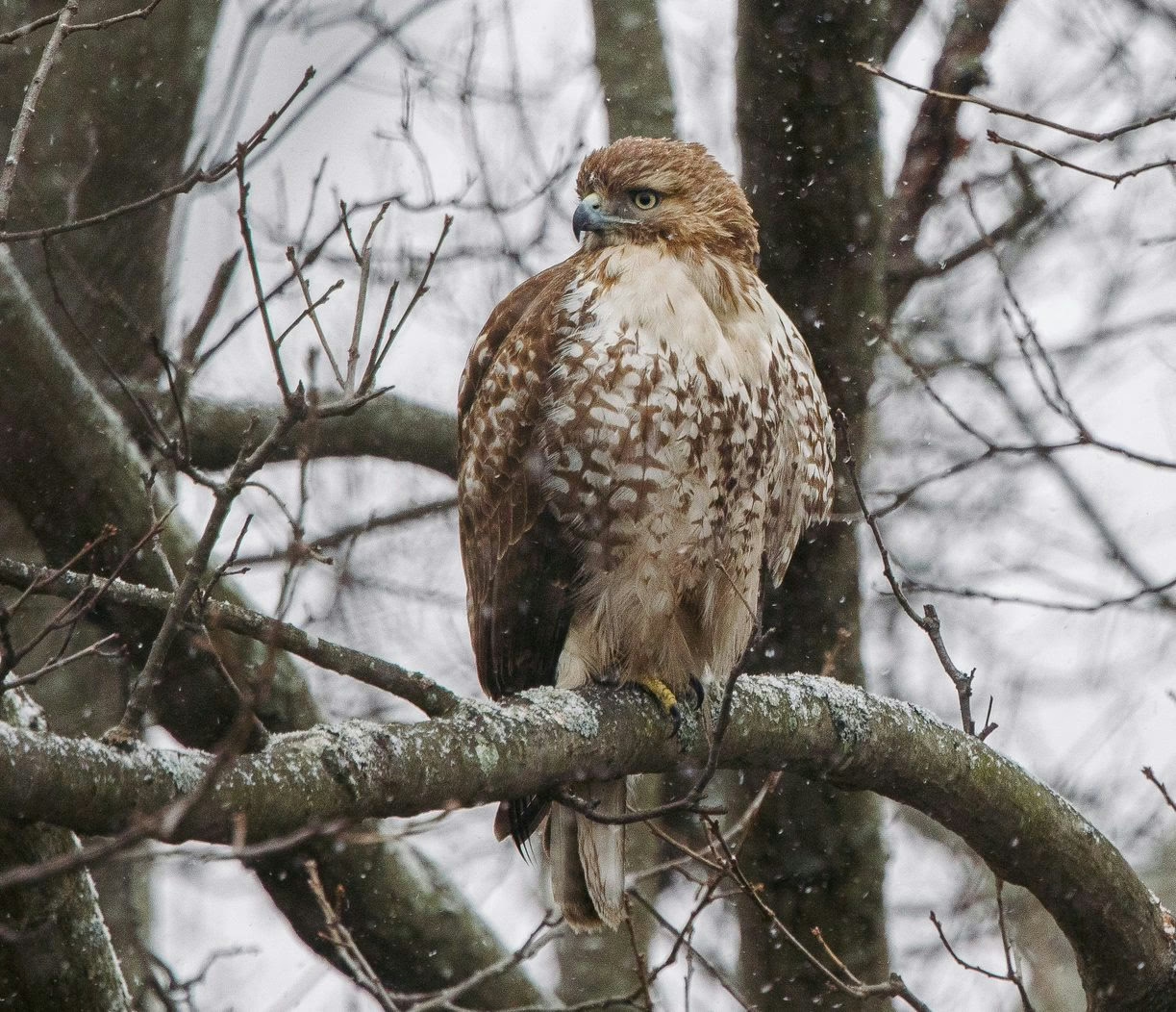
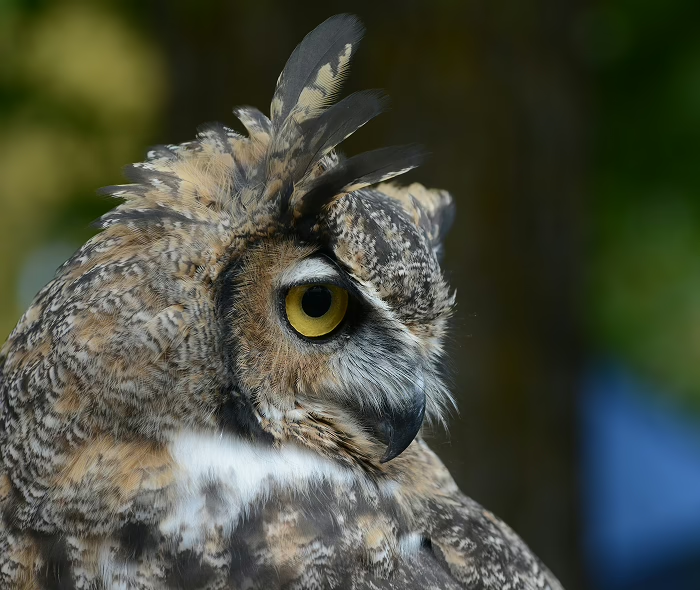
RODENTICIDE Bill Protects our Raptors!
Many of our members and coalition partners have been following the rodenticide bill, which is facing an uphill battle due to all of the chemical companies opposing it. Thank you to Heather Packard, Community Organizer, Policy & Advocacy, from Massachusetts Audubon for developing this action alert.
Help Advance House Bill to Phase Out Rat Poison
The Senate version of the bill to phase out the use of anticoagulant rodenticides, An Act Restricting the Use of Rodenticides in the Environment (S2721) was given a favorable report by the Joint Committee on the Environment and Natural Resources and referred to the Senate Committee on Ways and Means. The House version (H965) is still under consideration by the Environment Committee with a 30-day extension on the deadline for committee members to vote on the bill. Contact the House Chair, Rep. Christine Barber: TAKE ACTION TODAY >

Use this Rodenticide Lobbying Kit to plan a meeting with each of your state legislators advocating for An Act Restricting the Use of Rodenticides in the Environment (H965/S2721). Watch the recording of a December training about how to plan and facilitate meetings with your legislators.