Discover how to transform your Massachusetts lawn into a sustainable, permaculture paradise with this guide tailored for organic farmers and home gardeners. Learn to map zones, choose hardy plants, boost soil health, and manage water in the Bay State’s unique climate.
By Najee Quashie
Reporting from Massachusetts
For organic farmers and home gardeners in Massachusetts, transforming a traditional lawn into a permaculture system offers a sustainable way to boost productivity, enhance soil health, and work with the region’s unique climate. Permaculture is not just about aesthetics—it is a practical approach to creating a resilient, low-maintenance landscape that aligns with organic principles. Drawing on expert insights from Tenth Acre Farm, Better Homes & Gardens, GroCycle, Rise, and Permaculture Gardens, this guide tailors permaculture lawn design to the Bay State’s frosty winters, short growing seasons, and rocky soils, empowering you to turn your yard into a thriving ecosystem.
What Is a Permaculture Lawn?
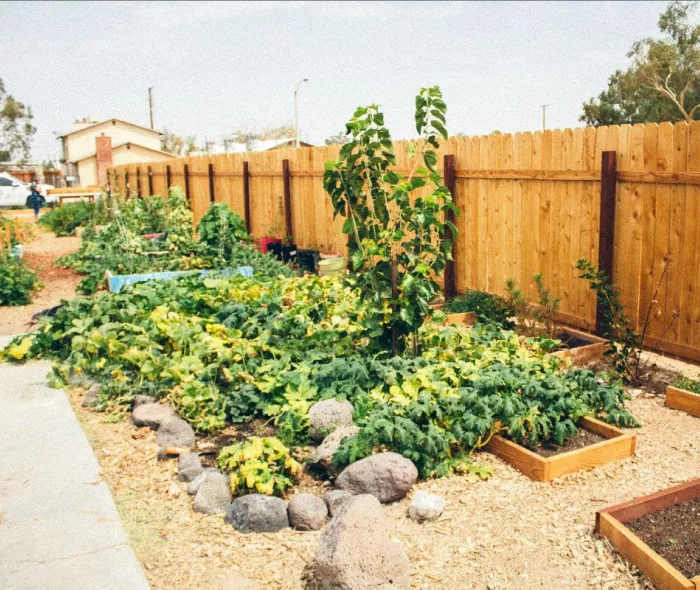
A permaculture lawn ditches the water-guzzling grass monoculture for a diverse, functional space that produces food, builds soil and supports local wildlife. It is rooted in sustainability and biodiversity, blending seamlessly with organic farming and gardening goals. In Massachusetts, where winters dip into USDA Growing Zones 5-7, and summers can be humid, a permaculture lawn leverages hardy plants and thoughtful design to thrive year-round without synthetic fertilizers or pesticides.