
Physical Soil Health
The physical structure of soil shapes how water, air, and roots move through the ground, making it a critical foundation for productive farming systems. Soil texture, aggregation, porosity, and compaction all influence the soil’s ability to absorb rainfall, store moisture, allow gas exchange, and support root development. When soil structure is healthy, plants are better able to access nutrients and withstand environmental stress such as drought or heavy rainfall. Management practices such as minimizing compaction, maintaining soil cover, increasing organic matter, and supporting biological activity all play an important role in building and protecting soil structure. Understanding the physical properties of soil helps farmers and land stewards diagnose limitations and implement practices that improve resilience and long-term productivity.
Soil Health and Technical Assistance Options
The Soil Health Assessment (Soil Carbon) uses quantitative and qualitative metrics to give an overall assessment of the level of biodiversity and biological activity in the soil, which can be used as a proxy to assess soil carbon levels. These tests will help you get an idea of how well your soils are supporting life and storing carbon.
One day of tests will provide some indicators of soil health and provide the land manager with a snapshot of the tested area and recommendations for addressing resource concerns. Repeated annual tests (or even every other year) will provide information about change over time and allow the land manager to see the impact of their growing practices on soil health outcomes.
We’ll come to your site to run a comprehensive series of field tests for you. After the visit, we will send you the results of the tests and our analysis of what the data means in terms of your soil health and relative carbon levels. We will also provide you with recommendations tailored to your site, results, and goals.
Soil Texture
Texture refers to the proportion of sand, silt and clay in a soil. Texture influences:
- Water Holding Capacity
- Drainage
- Nutrient retention
- Workability
While texture cannot be changed, understanding it helps guide appropriate management strategies.
Soil Structure and Aggregation
Soil structure refers to how soil particles bind together to form aggregates.
Healthy aggregation allows for:
- Improved water infiltration
- Better root penetration
- Increased oxygen availability
- Protection of organic matter
Biological activity, especially fungal networks and microbial exudates, plays a major role in aggregate formation.
Soil Porosity
Porosity describes the network of spore spaces within soil.
Two important types:
- Macropores: allow water movement and air exchange
- Micropores: store water for plant uptake
Balanced pore space supports both water retention and drainage.
Soil Compaction
Compaction occurs when soil particles are pressed together, reducing pore space.
Compacted soils often result in:
- Poor root development
- Reduced water infiltration
- Waterlogging
- Limited oxygen availability
- Reduced biological activity
Compaction is one of the most common limiting factors on farms.
Many physical soil conditions can be diagnosed through simple observation.
Farmers and land stewards should look for:
- Slow water infiltration or standing water
- Hard soil layers restricting root growth
- Shallow rooting depth
- Crusting on the soil surface
- Poor vigor or uneven plant growth
- Limited earthworm activity (not sure if we should caveat the types of worms of if the word limited is enough i.e. anecic , epigeic, epi-endogeic, endogeic)
Digging soil pits and examining root growth patterns can provide valuable insight into soil structure.
Surface Crusting
Often caused by low organic matter and poor aggregation.
Impacts:
- Reduces seedling emergence
- Poor water infiltration
Plow Pans or Compacted Layers
Often form from repeated tillage at the same depth or equipment traffic.
Impacts:
- Restricted root growth
- Limited water movement
Poor Drainage
Occurs when soil lacks sufficient macropores.
Impacts:
- Oxygen limitation
- Increased disease pressure
Several practices can help build and protect physical soil health.
Reduce Soil Disturbance
Minimizing tillage helps maintain aggregates and soil pore networks.
Maintain Soil Cover
Cover crops and mulches protect the soil surface from erosion and compaction.
Increase Organic Matter
Organic matter acts as a binding agent that supports aggregation and water retention.
Promote Biological Activity
Microbial communities including fungal networks help build stable soil structure.
Manage Traffic
Avoid working soils when wet and minimize heavy equipment traffic.
Tools for Assessing Physical Soil Health
Farmers can evaluate physical soil conditions using simple field tools.
Penetrometer
Measures resistance to root penetration and identifies compacted layers.
Infiltration Tests
Evaluate how quickly water enters the soil.
Bulk Density Measurement
Provides a quantitative measure of soil compaction.
Soil Pits
Direct observation of soil layers, aggregations, and root growth.
Strong soil structure supports the functioning of the entire soil system. When soil structure is well developed, water moves efficiently, roots can grow deeply, and microbial communities thrive. These conditions create the foundation for healthy crop growth, improved nutrient cycling, and greater resilience to environmental stress.
Physical soil health works together with chemical balance and biological activity, and understanding these connections helps farmers build soils that are productive, stable, and capable of supporting long-term agricultural sustainability.
Case Study: MDAR Soil Compaction
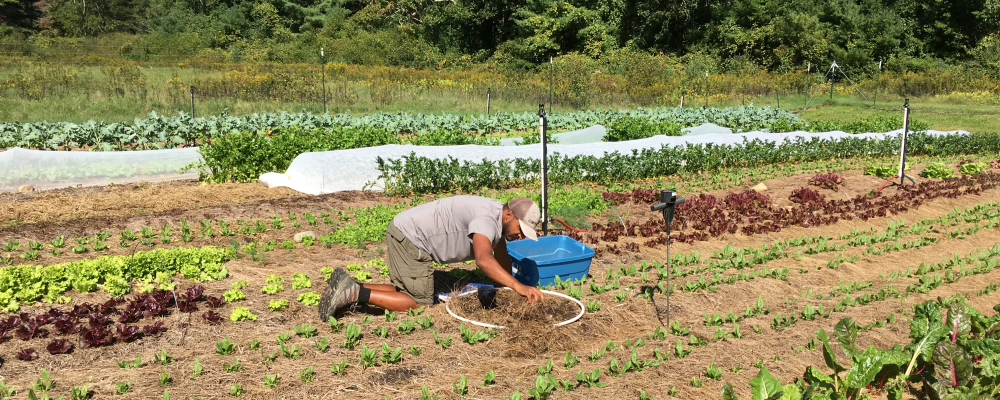
- Project to address Soil Compaction alongside farmers in Massachusetts
- Three years of dedicated research, collaboration, and knowledge sharing
- Comprehensive analysis of key soil health indicators collected over the course of our three-year research endeavours
Soil Carbon Restoration
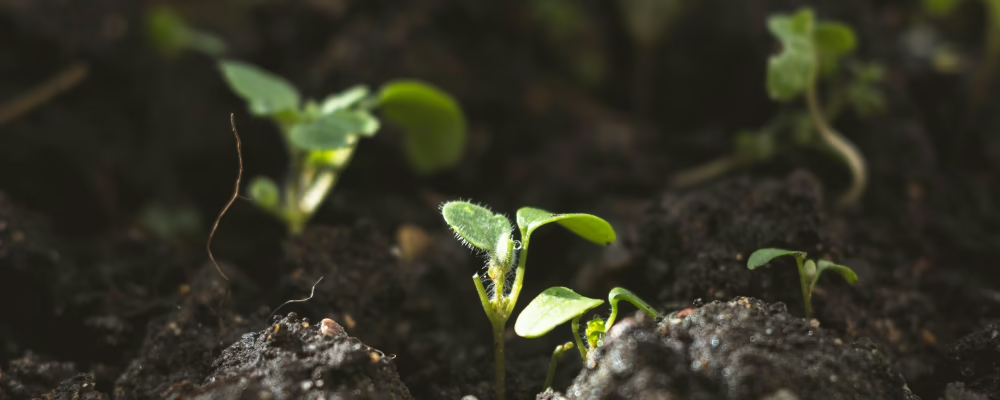
- Learn what farming methods will return carbon to the soil — and keep it there — for healthier crops, more resilient farms, and less extreme weather
- Accessible resources that make plain the potential of this hopeful approach in addressing climate change, including a video, white paper, resource list, and action steps


Additional Resources
Questions? Contact soilhealth@nofamass.dreamhosters.com