
Northeast Organic Farming Symposium
December 16–17, 2025 | Free Online Event
Growing Our Region: Northeast Organic Farming Symposium, was a two-day online event designed to support and strengthen organic agriculture across the Northeast. Supported through the Transition to Organic Partnership Program, this free symposium brought together leading regional organizations to offer a unique series of hour-long webinars focused on intermediate to advanced farming practices.
Tailored for a range of organic producers, from seasoned growers to those wanting to expand their knowledge, this event featured technical content grounded in research, innovative methods, and real-world production challenges relevant to the Northeast. Whether you’re looking to refine your current practices or build a strong foundation for your organic journey, this symposium offers valuable insights, practical strategies, and timely knowledge to help you succeed.
Workshop Schedule
Tuesday, December 16th
| Time | Title and Speaker | Description |
|---|---|---|
| 9:00AM – 10:15AM | Biological Control and IPM in Cropping Systems
Dr. Maryam Nouri-Aiin of University of Vermont |
This session explores how biological control and integrated pest management (IPM) can work together to create resilient, ecologically balanced cropping systems in the Northeast. Dr. Maryam Nouri-Aiin will share research on sustainable pest management, including the use of fungi, soil health strategies, and studies on the Colorado potato beetle and wireworms. An interactive discussion will invite farmers to share their experiences with biological control and identify opportunities to improve its adoption across diverse production systems. |
| 11:00AM – 12:00PM | No-Till Cover Cropping for Intensive Small-Scale Farms
Yoko Takemura of Assawaga Farm |
At Assawaga Farm, each bed typically supports two cover crops in addition to cash crops every year, demonstrating a highly intentional approach to soil health and productivity. This workshop will explore the how, what, when, where, and why of integrating cover crops into intensive, small-scale crop rotations using no-till methods. Drawing from Assawaga Farm’s proven systems, Farmer Yoko will cover how to sow and terminate cover crops without tillage, how to choose the right species for specific seasons and goals, and how to maximize the benefits of cover cropping even in limited space. Ideal for growers looking to build soil health and resilience through regenerative practices, this session offers practical insights for farms of any scale. |
| 1:00PM – 2:00PM | Connecting Organic Farmers with Buyers and Markets
Joe Dickson of Lot 49 Advisors and McKenna Hayes of Food Connects |
Joe and McKenna will share insights from their work in regional food systems—both in New England and beyond—and what they’ve learned about the opportunities and challenges facing organic producers and distributors today. They’ll also introduce the Farmer’s Toolkit, a set of resources being developed with the Rodale Institute and the Organic Trade Association, designed to help farmers understand certification pathways, distribution options, and buyer expectations. With deep, hands-on experience running a mission-driven food hub, McKenna will share lessons learned from managing complex regional distribution networks, balancing the needs of farmers and institutional buyers, and building infrastructure that supports fair prices and reliable access to markets. She’ll also draw on her collaboration with food hubs across the country to illustrate how these organizations are innovating to strengthen local supply chains, aggregate organic volume efficiently, and help smaller farms compete in wholesale markets. Together, Joe and McKenna will explore how strategic collaboration among farmers, hubs, and buyers can drive growth in regional organic markets while maintaining transparency, integrity, and shared values. |
| 3:00PM – 4:00PM | Cover Crops and Living Mulches for a Resilient Farm
Helen Atthowe of Woodleaf Farm |
Join Helen Atthowe for a deep dive into small-scale ecological farming. Helen will present on-farm research into farm-grown fertilizer that multitasks as habitat for beneficial soil microbes and insect predators/parasites. Learn about how to use cover crops and living mulches on more of your farm, as well as manage the resulting organic residues. Drawing on her 40 years of experience, she will explain her successes and mistakes as she learned to work with reduced tillage ecological systems. She will share what she has experimented with in terms of optimum residue decomposition, enhanced microbial function, nutrient uptake and cycling, and pest suppression. Leave with some new strategies to strengthen the “immune system” of your organic farm while balancing soil health, plant nutrition, fertility, crop yield, and making a living! |
Wednesday, December 17th
| Time | Title and Speaker | Description |
|---|---|---|
| 9:00AM – 10:00AM | Growing Organic Chestnuts as a Commercial Crop
Brian Caldwell of Hemlock Grove Farm and Russell Wallack of Breadtree Farms |
Russell Wallack of Breadtree Farms and Brian Caldwell of Hemlock Grove Farm will lead an in-depth technical assistance discussion on growing organic chestnuts as a commercial crop in New York. Russell and Brian were paired through the first round of the Transition to Organic Partnership Program (TOPP) Mentorship, during which Russell successfully certified 84.5 acres as organic at the end of 2023. |
| 11:00AM – 12:00PM | Organic Strawberry Production on a Mixed Vegetable Farm
Alby Brandon of Brandon Family Farm |
Brandon Family Farm, a certified organic farm in Rhode Island, will share insights from their years of experience growing organic strawberries. The session will highlight different production systems they have tried, what has worked best for them, and how they approach marketing the crop. Participants will gain a practical look at how one small, diversified farm continues to refine its organic strawberry practices. |
| 1:00PM – 2:00PM | FSMA Produce Safety Rule Requirements and Inspections
Meredith Melendez of Rutgers Cooperative Extension |
Well-trained staff, established SOPs, and third-party inspections are the keys to reducing human pathogen risks in the farm environment. In this session, Rutgers On-Farm Food Safety Expert, Meredith Melendez, will focus on the requirements of the Food Safety Modernization Act, or FSMA Produce Safety Rule. She’ll explore practical ways to achieve compliance, and realities of inspections on small, diversified, and organic farms. |
Tuesday, December 16th
Wednesday, December 17th
Meet the speakers
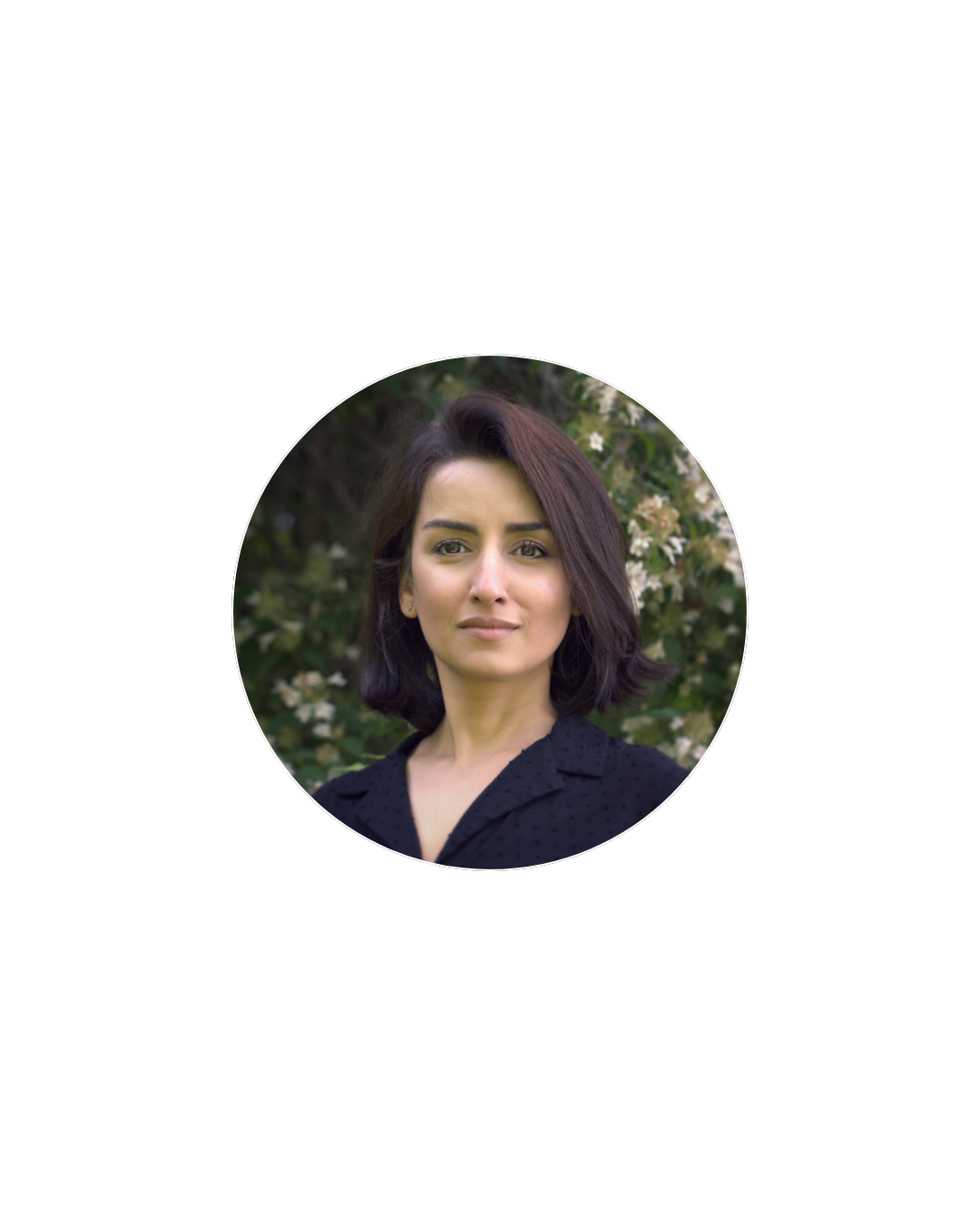
Dr. Maryam Nouri-Aiin is a Research Assistant Professor in the Department of Agriculture, Landscape, and Environment at the University of Vermont. Her research integrates ecological, molecular, and bioinformatic tools to develop sustainable pest management solutions. She specializes in biological control using insect pathogenic fungi, soil health, and insect–microbe interactions, with a focus on applying these approaches in on-farm IPM systems across the Northeast.
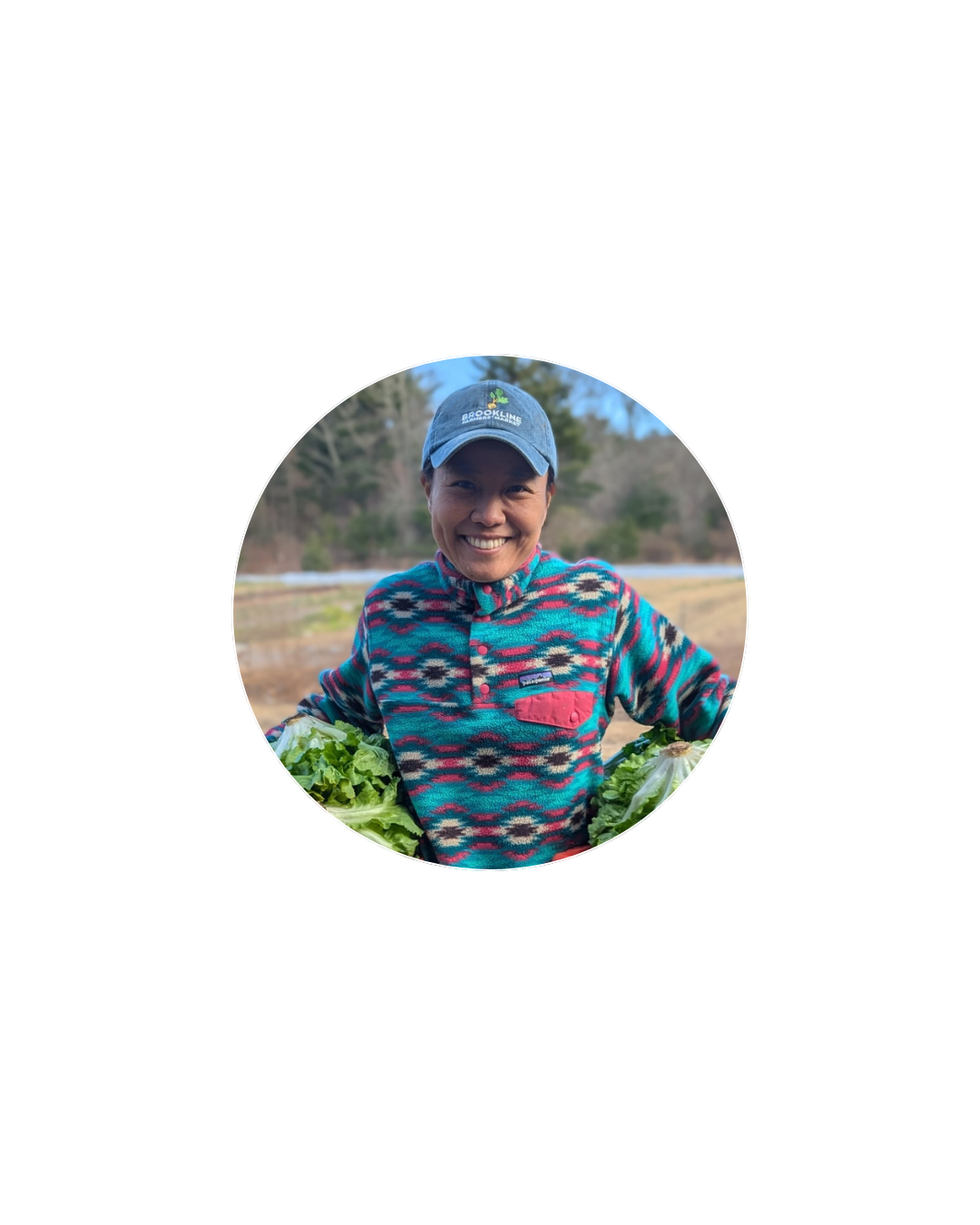
Yoko Takemura owns and operates Assawaga Farm in Putnam, CT with her partner, Alex Carpenter. Assawaga Farm is in its 8th season selling Certified Organic vegetables and cut flowers on 1 acre. The farm is on Nipmuc land and is bordered by the Five Mile (formerly, Assawaga) River. They do everything they can to promote a healthy and diverse population of all organisms, large and small, above and below ground, to which they employ regenerative practices such as no-till, multi-species cover cropping, on-farm “Static Aerated Pile” composting, compost tea brewing, and perennial hedgerow installations.
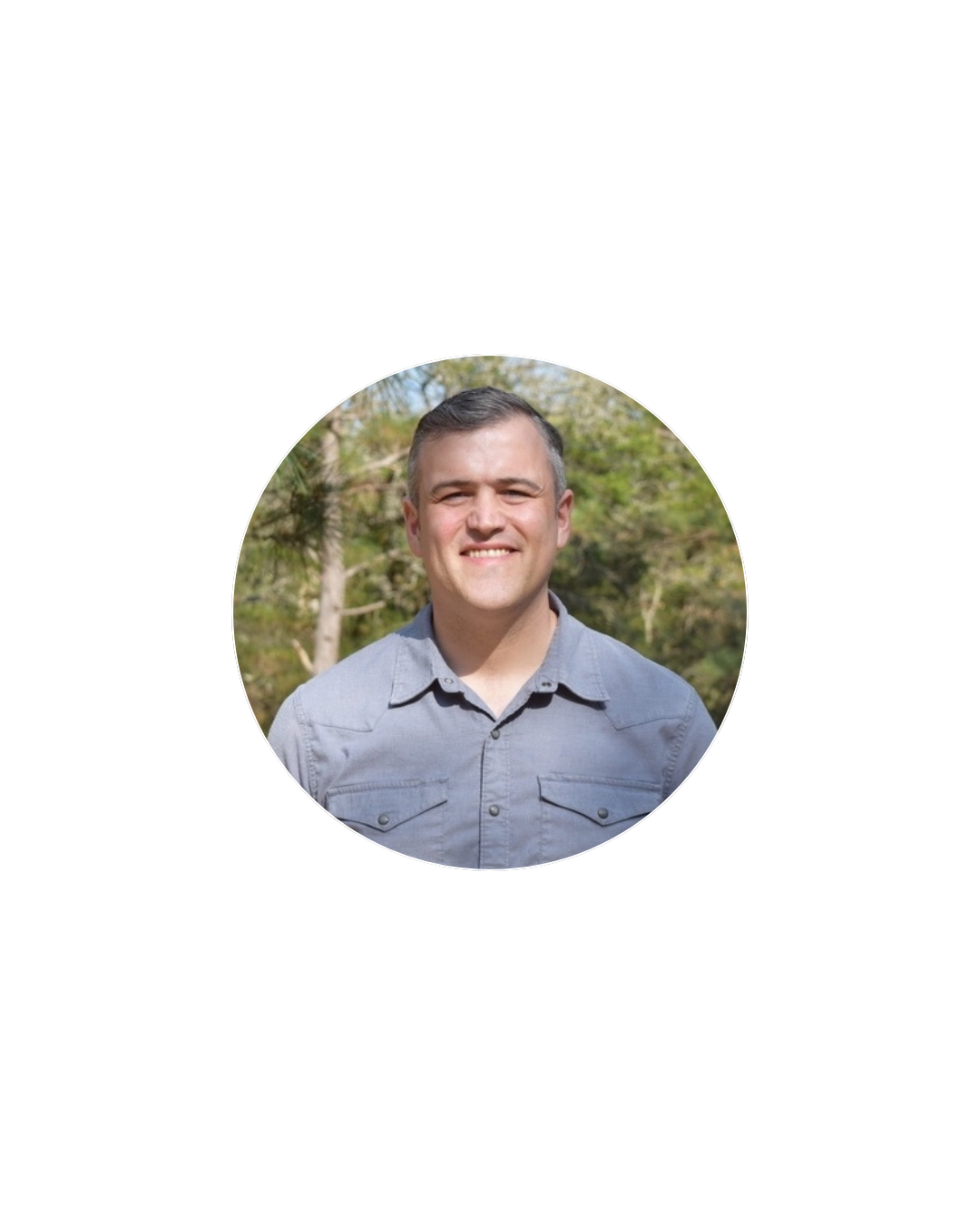
Joe Dickson is a seasoned leader with over 25 years in organic, regenerative, and sustainable agriculture. As Founder and Principal of Lot 49 Advisors, he partners with retailers, NGOs, brands, and producers to advance sustainability and meaningful certifications in food and farming. Previously, he spent two decades at Whole Foods Market as Global Director of Quality Standards, leading initiatives in transparency and integrity. He also serves as Senior Associate at Wolf & Associates and has co-founded Merryfield, a platform for natural and organic brands. Joe serves on the boards of Carnation Farms and Pennsylvania Certified Organic, and has held prior roles with the Non-GMO Project, USDA National Organic Standards Board, and The Organic Center. A Vassar graduate, he now lives in southern Vermont after years on a regenerative ranch in Texas.
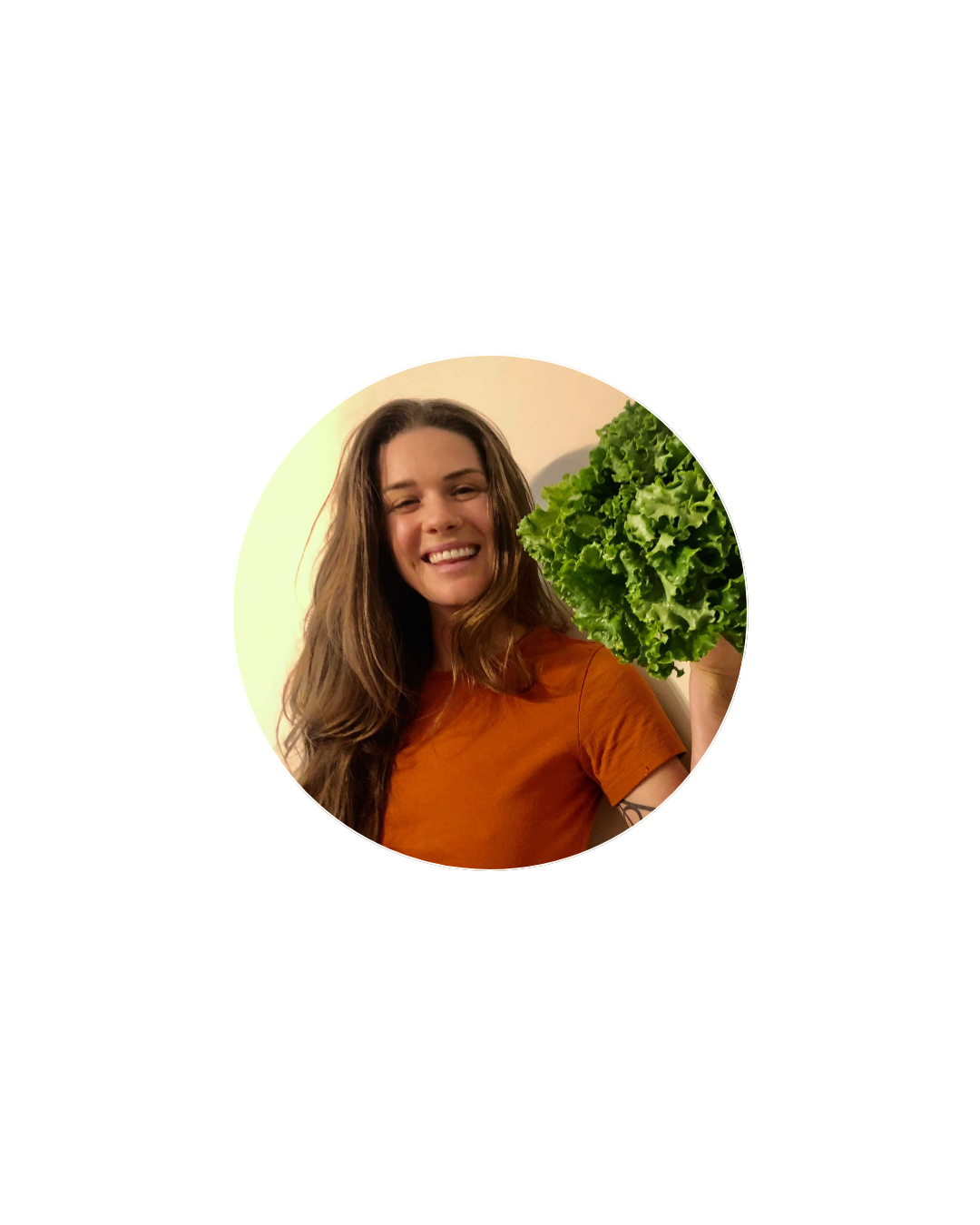
McKenna Hayes is the Director of Strategic Partnerships and Compliance at Food Connects. With over a decade of food hub leadership—including several years overseeing the Food Connects Food Hub—she brings deep, practical experience in scaling operations and managing regulatory compliance. McKenna provides technical assistance to food hubs nationwide, helping teams navigate food safety programs, certifications, and operational growth, with a focus on expanding access to wholesale and institutional markets. Born and raised in Burlington, Vermont, McKenna has over twenty years of experience across the sustainable food system. She holds a Master’s in Food and Agricultural Law and Policy from Vermont Law School and has been recognized as a Southern Vermont Emerging Leader and one of Vermont Business Magazine’s Rising Stars. Outside of work, McKenna enjoys herbalism, yoga, ice hockey, gardening, and family time.
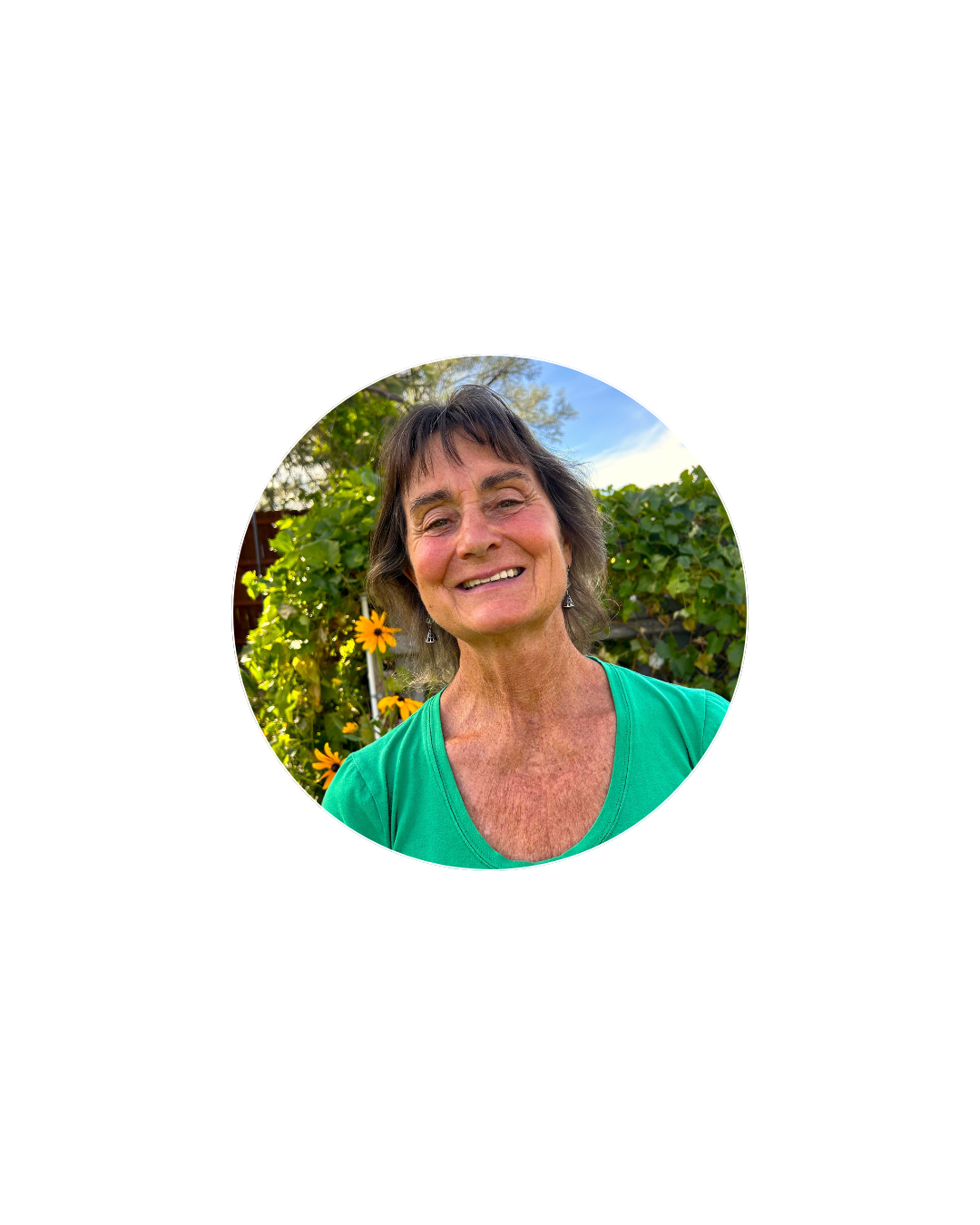
Helen Atthowe has worked for 40 years as a farmer and researcher to connect farming, food systems, human and crop nutrition, land stewardship, and conservation. Helen has owned, operated, and co-operated with her late husband, 3 certified organic orchards and vegetable farms ranging from 30-211 acres, in 3 states: California, Montana, and Oregon. She currently does on-farm cover-crop-based, reduced tillage, soil– and natural enemies’ habitat– building research on her new 5-acre farm in Western Montana, which is applicable in the Northeast, as well! She is author of the recently published book: “The Ecological Farm: A Minimalist No-Till, No-Spray, Selective-Weeding, Grow-Your-Own-Fertilizer System for Organic Agriculture” and has served as a board member for the Organic Farming Research Foundation. Atthowe has a Master’s degree in horticulture from Rutgers University and has worked in education and research at the University of Arkansas Fruit Experiment Station, Rutgers University, and Oregon State University. While farming she also served as a horticulture extension agent in Montana for 17 years, where she annually taught an organic Master Gardener course and ran an IPM program for farmers, nurseries, and landscapers.
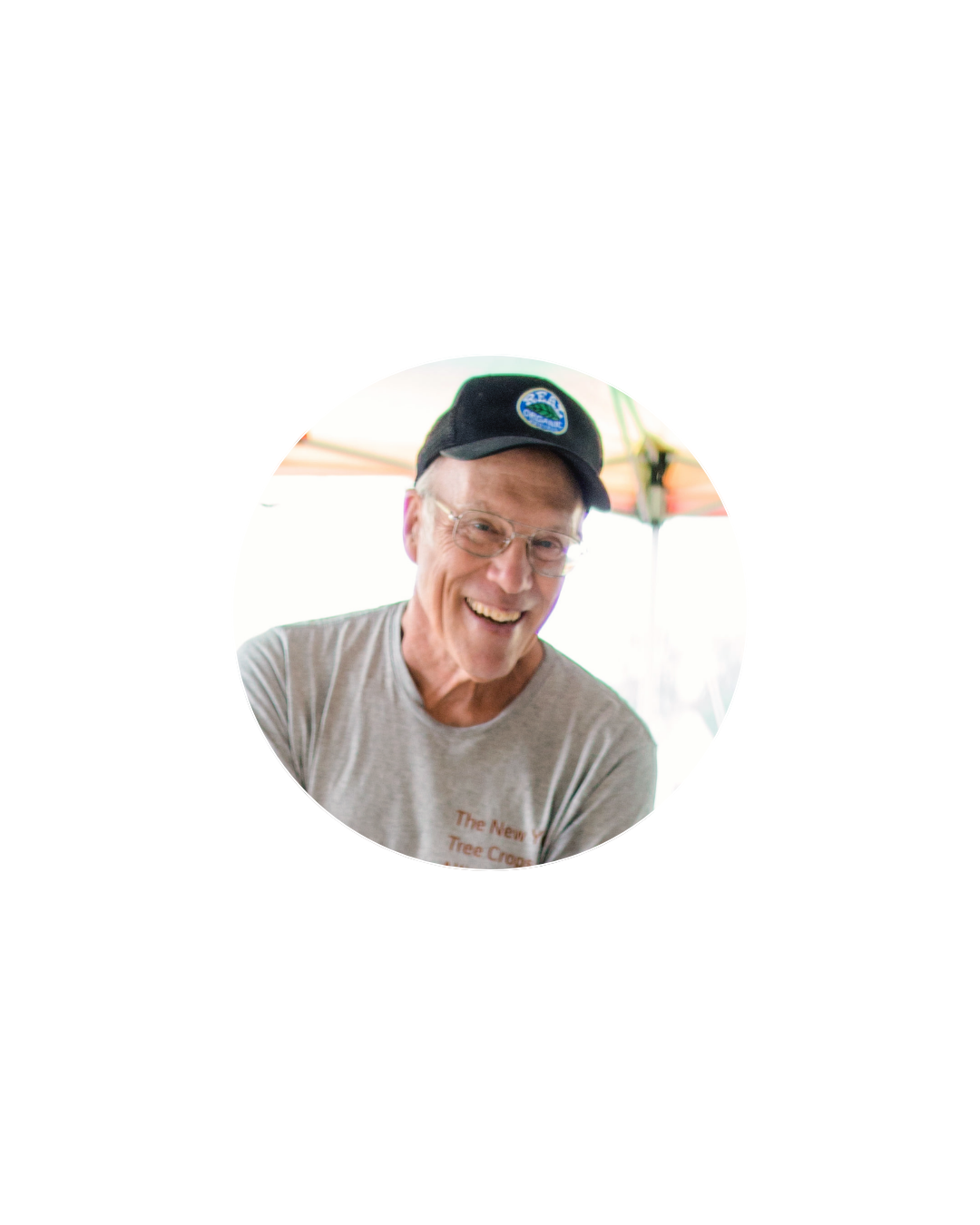
Brian Caldwell operates Hemlock Grove Farm in West Danby, NY producing certified organic apples, pears, chestnuts, and hazelnuts. He worked as a Cornell Cooperative Extension Educator, then became NOFA-NY’s first Education Coordinator in 2001. After 2005, he was field manager for the Cornell Organic Cropping Systems Project until retiring in 2018.
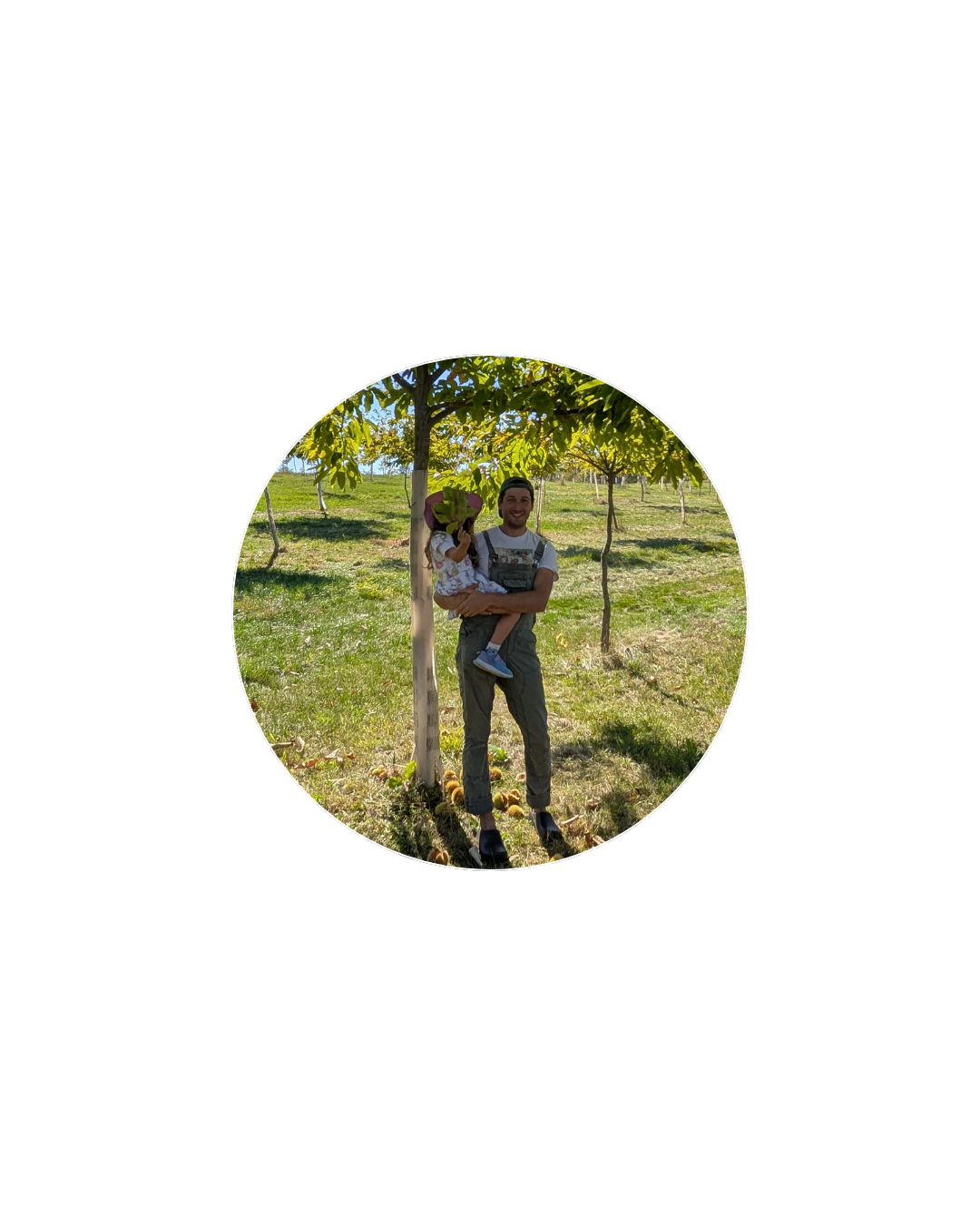
Russell Wallack is Breadtree’s founding farmer. After working in utility-scale energy efficiency, Russell made the jump to food systems work and agroforestry in 2014. Born at the mouth of the Hudson River, and raised in the sandy uplands of the Connecticut River valley, Russell is focused on developing ecological agriculture in service to all life in this region. He believes chestnut trees — an ancient staple food across the temperate world — play an integral role in recreating an agriculture of place; he has dedicated the past 8 years to creating a viable business centered on the growth of a regional industry for this tree crop. He has consulted internationally with multi-billion dollar food supply systems, advised the European Commission on regenerative agriculture policy, and worked with leading regenerative agriculture organizations to impact thousands of acres.
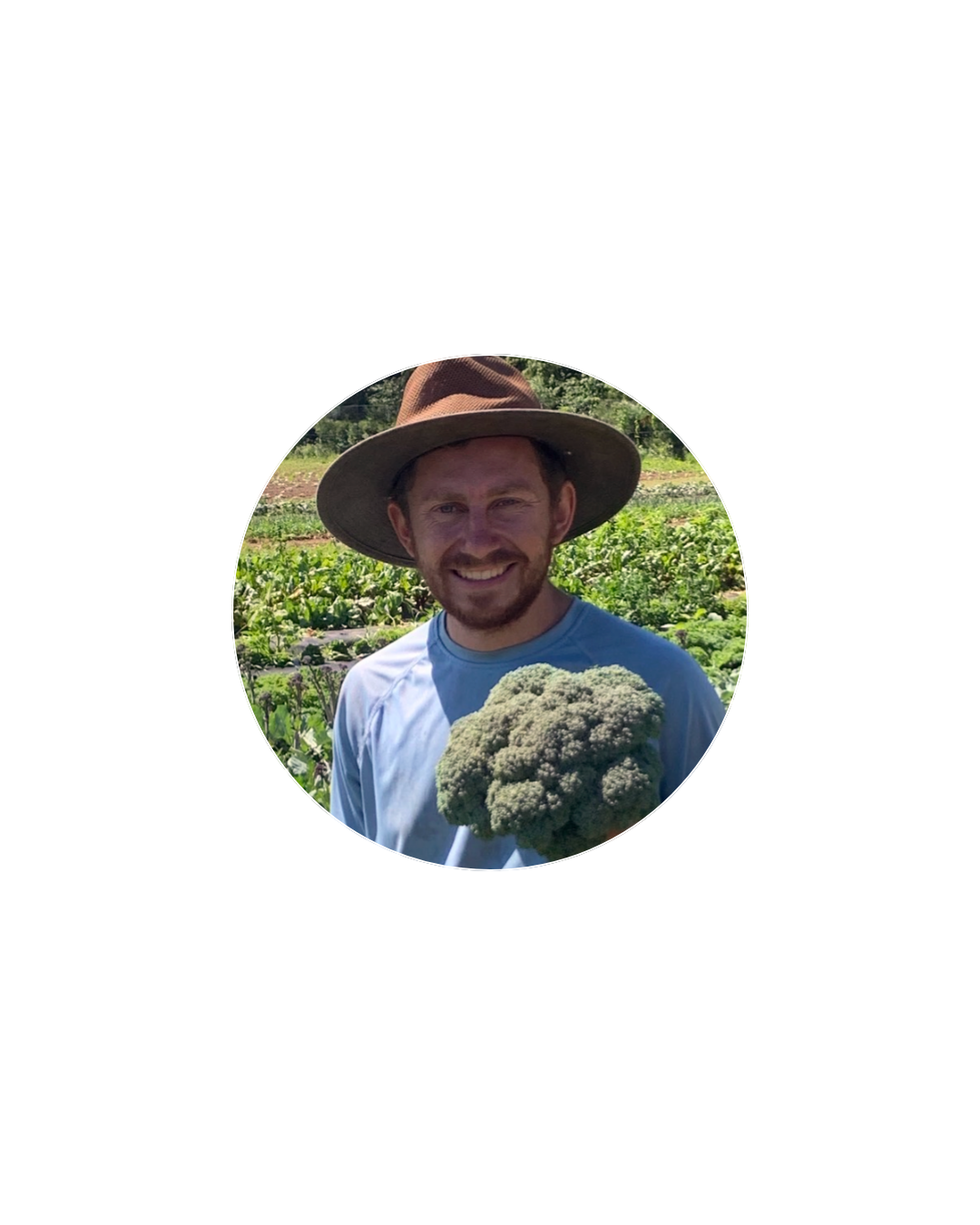
Alby Brandon was raised in South Kingstown, Rhode Island. He started a farming business in 2014 and it has since grown from a half-acre market garden to over 15 acres of vegetable and small fruit crops. He now runs Brandon Family Farm with his wife, Heather Brandon.
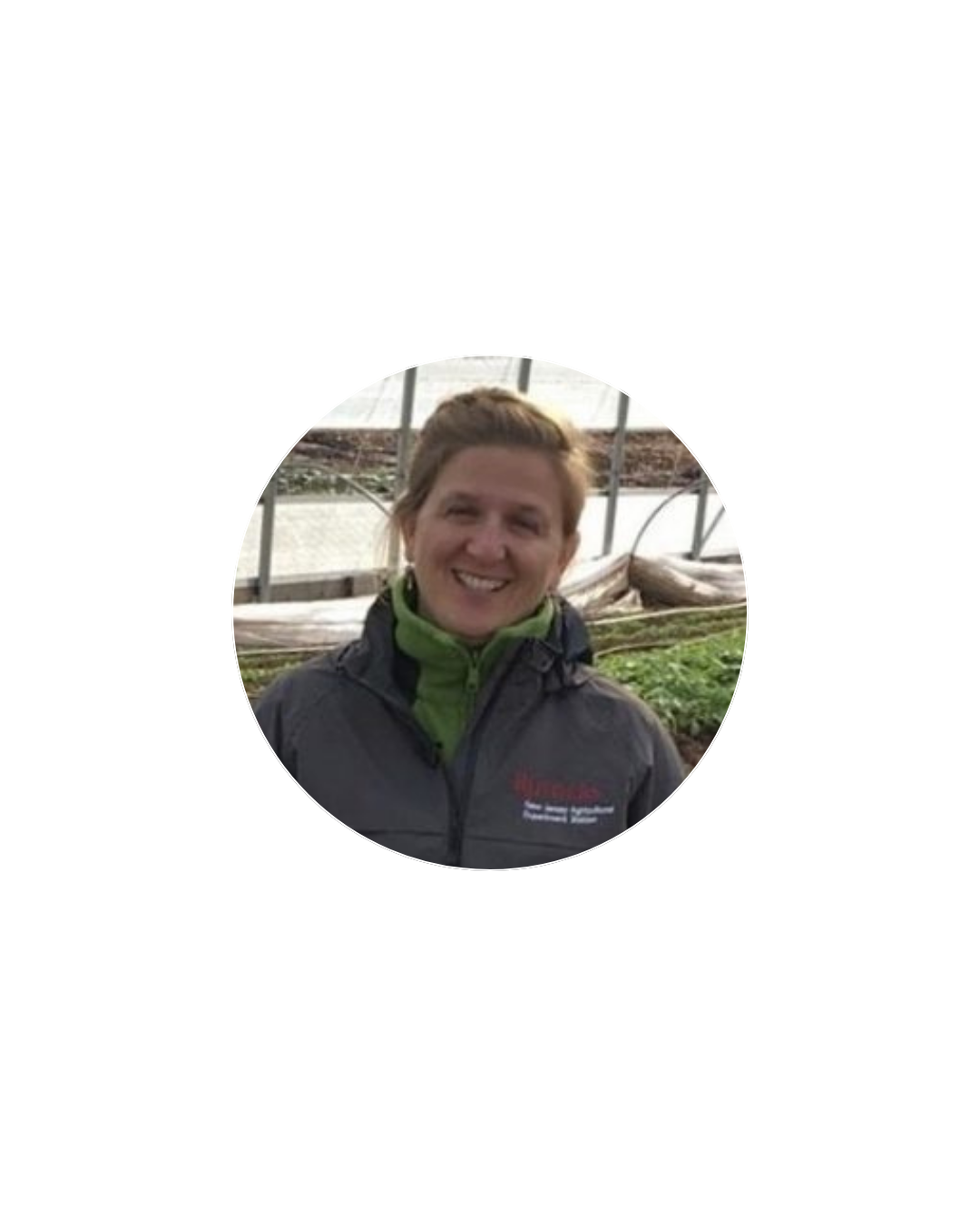
Meredith Melendez is the County Agricultural Agent for Rutgers Cooperative Extension of Mercer County. Meredith provides education and technical assistance to produce growers, new and beginning farmers, and organic producers. She is the program lead for the On-Farm Food Safety Team at Rutgers, assisting farms statewide with FSMA Produce Safety Rule compliance and USDA Third-Party Audits.
Presented by

Supported by
